

🚀 TL;DR 🚀
Building distributed systems is like constructing skyscrapers in an earthquake zone, small cracks in the foundation can bring everything crashing down. After analyzing hundreds of system failures across tech companies big and small, we've uncovered the real culprits behind those dreaded 3 AM wake-up calls.
Let's pull back the curtain on five architecture mistakes that engineers tend to ignore until it's too late.
The Requirements Trap
Before diving into specific mistakes, let's address why these issues occur. Teams often rush into implementation without clearly defining their system's actual requirements. Every architectural decision should map back to concrete business needs and constraints. This foundation helps avoid many of the pitfalls we'll discuss.
1. The Cache-All Antipattern
The Problem
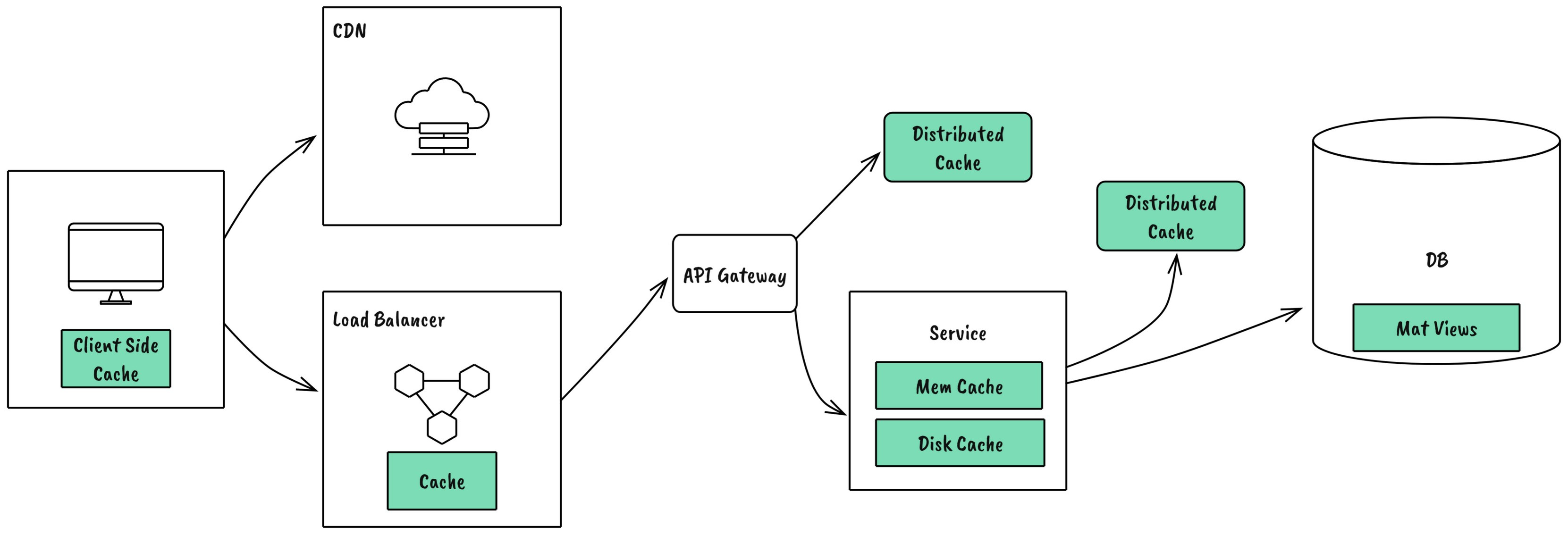
Caching often appears deceptively simple. Just drop Redis in front of your database and watch performance soar, right? The reality is far more nuanced. Most architectures already incorporate multiple layers of caching, often in ways that aren't immediately obvious (As shown above). When these caching layers interact in unexpected ways, you can encounter serious issues such as:
Cache inconsistency issues
Memory bloat from caching unnecessary data
Complex invalidation logic
Hidden system dependencies
The Solution
Start with proper data access analysis:
Profile your actual access patterns
Identify hot spots in your data
Implement cache warming strategies
Define clear TTL policies based on business requirements
Document cache invalidation strategies
Caches can provide faster responses, happier users, smoother systems. But under the surface, they could end up being a minefield for potential issues. If you’re thinking about introducing a cache, pause and consider:
How will you handle cache invalidation? Stale data can lead to unpredictable behavior. What’s your strategy for ensuring your cache stays fresh and reliable?
Can you see what’s in your cache? Is it a black box where bugs hide, or a white box you can inspect and debug? Visibility is the difference between quick fixes and all-night troubleshooting.
What happens during a cold start? An empty cache means every request hits the backend. Can your system survive that load? Or are you building a single point of failure?
What’s the real cost of your cache? Every cache adds complexity. Do the performance gains outweigh the risks of misses, overhead, and debugging challenges?
Great system design is about trade-offs. A cache might be the right move, but only if you’ve answered these questions first.
Read more about different caching strategies in our previous post A primer on caching strategies.
Take advantage of our various system design templates to avoid making these architectural mistakes!
2. The Microservice Maze
The Problem
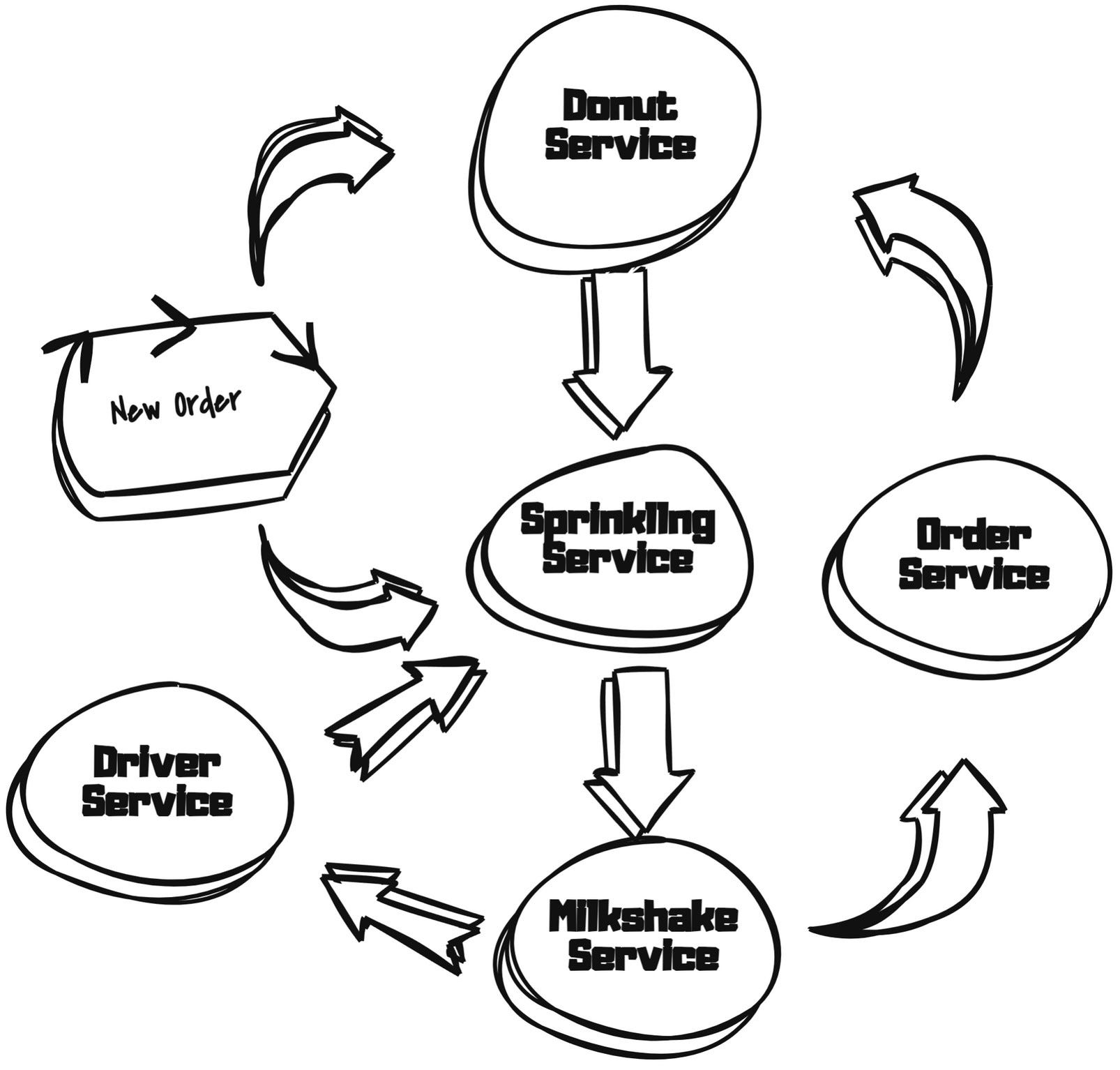
Microservices have become the default architecture choice, often without proper consideration of the overhead they introduce. We talk about this in far more detail in our previous post Why Microservices Aren’t Always the Right Answer. Without the right checks and balances in place systems can end up with:
Excessive network calls
Complex deployment pipelines
Difficult debugging scenarios
Increased operational complexity
The Solution
Design services around business capabilities:
Start with a monolith for new products
Consider a Modular Monolith as a first step for scaling
When needed, split services considering both team boundaries and business domains
Use the "2 Pizza Team" rule - if a service requires more than 2 teams to maintain, it's likely too big
Implement proper service discovery and circuit breakers
Amazon's organizational structure exemplifies this approach - teams are organized around business capabilities, with services matching these boundaries.
3. Database Separation Anxiety
The Problem
One of the most pervasive mistakes in distributed systems is treating databases like a shared drive. Teams build "microservices" that are really just thin layers around a shared database. This creates a hidden monolith, one that's harder to maintain than an actual monolithic application.
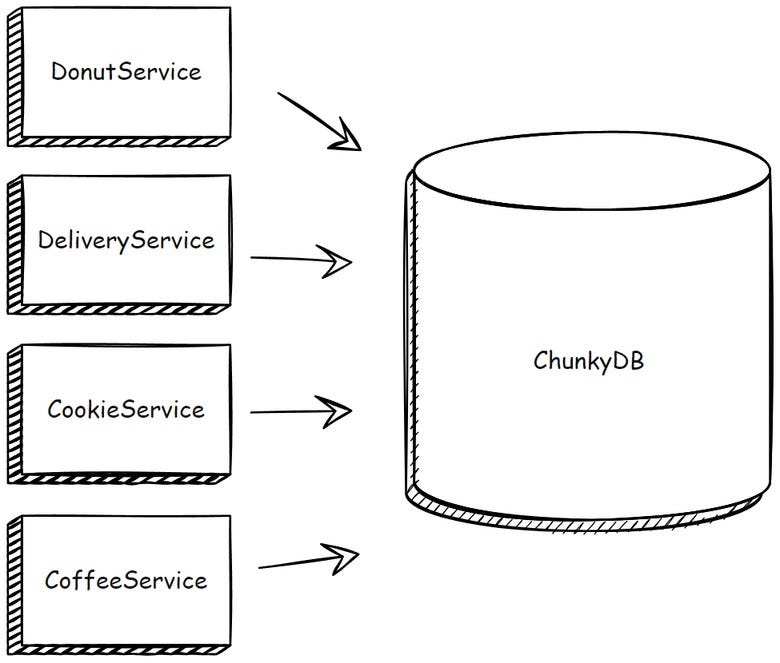
Key issues include:
Schema changes affect multiple services simultaneously
Services become tightly coupled through shared data models
Scaling becomes a nightmare as different services have different data access patterns
Transaction boundaries become unclear
The Solution
Keep in mind proper domain-driven design. Each service should:
Own its data exclusively
Have its own dedicated storage
Define clear contracts for data access
Use event-driven patterns for data synchronization
When Uber moved from a monolithic to a microservice architecture, they implemented Domain-Oriented Microservice Architecture (DOMA). Each service owned its data, with clear boundaries and interfaces. This enabled teams to deploy independently and scale different parts of the system based on specific needs.
4. Async Gone Wrong
The Problem
Message queues and event-driven architectures are often implemented as a silver bullet for decoupling services. However, this introduces significant hidden complexity that can destabilize your entire system:
